Top Tax and Accounting Tips for Ecommerce Sellers
Top Tax and Accounting Tips for Ecommerce Sellers
Running an online store on eBay, Amazon, Etsy, or Shopify can be super exciting — but let’s be real: the numbers side of things? Not so fun.
Don’t worry — we’ve got your back. Here’s a guide to staying on top of your taxes, accounts, and profits, so you can spend less time stressing and more time selling.
1. Keep Track of Everything
One of the biggest mistakes new sellers make? Wing it and hope for the best.
Keep records of:
- Sales revenue
- Platform fees (Amazon, eBay, Etsy…)
- Shipping & fulfilment costs
- Ads & marketing spend
- Product costs & inventory
- Any other business expenses
Your future self (and HMRC!) will thank you when it’s time to do your accounts.
2. Business vs Personal – Keep Them Separate
Mixing personal and business finances is a recipe for headaches.
Open a separate bank account for your ecommerce biz. This way you can:
- Track income and expenses clearly
- See your actual profits
- Make tax filing way simpler
3. Watch Those Marketplace Fees
Selling on a marketplace? Those little fees add up fast:
- Listing fees
- Transaction fees
- Payment processing fees
- Fulfilment/shipping costs
Tracking them properly means you know your real profit, not just your “gross sales.” Many sellers are shocked at how much these fees nibble away at their margins!
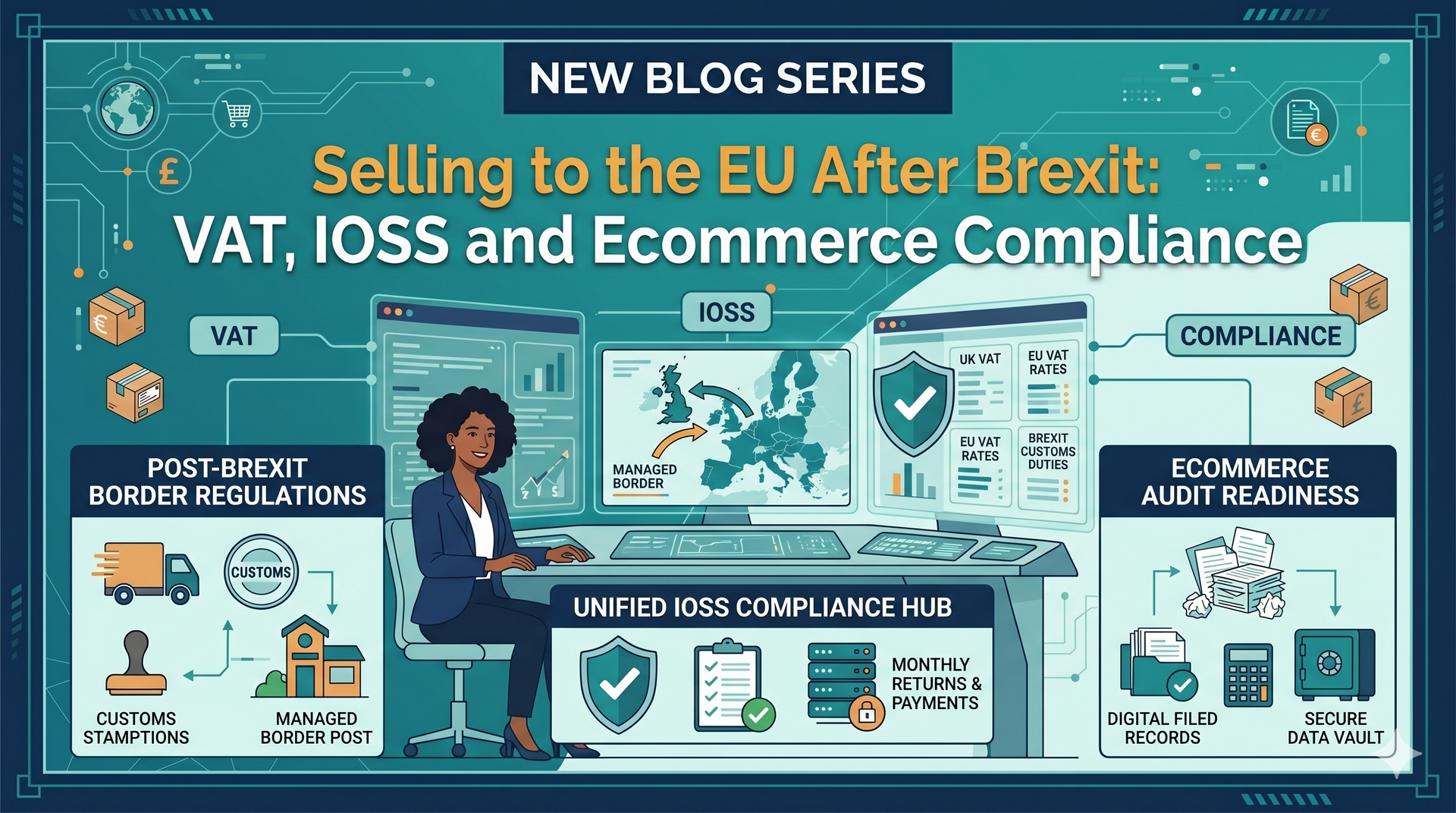
4. Don’t Forget VAT
VAT is sneaky — it can creep up on your business sooner than you expect.
You may need to register for VAT if:
- You go over the UK VAT threshold
- You store goods in other countries
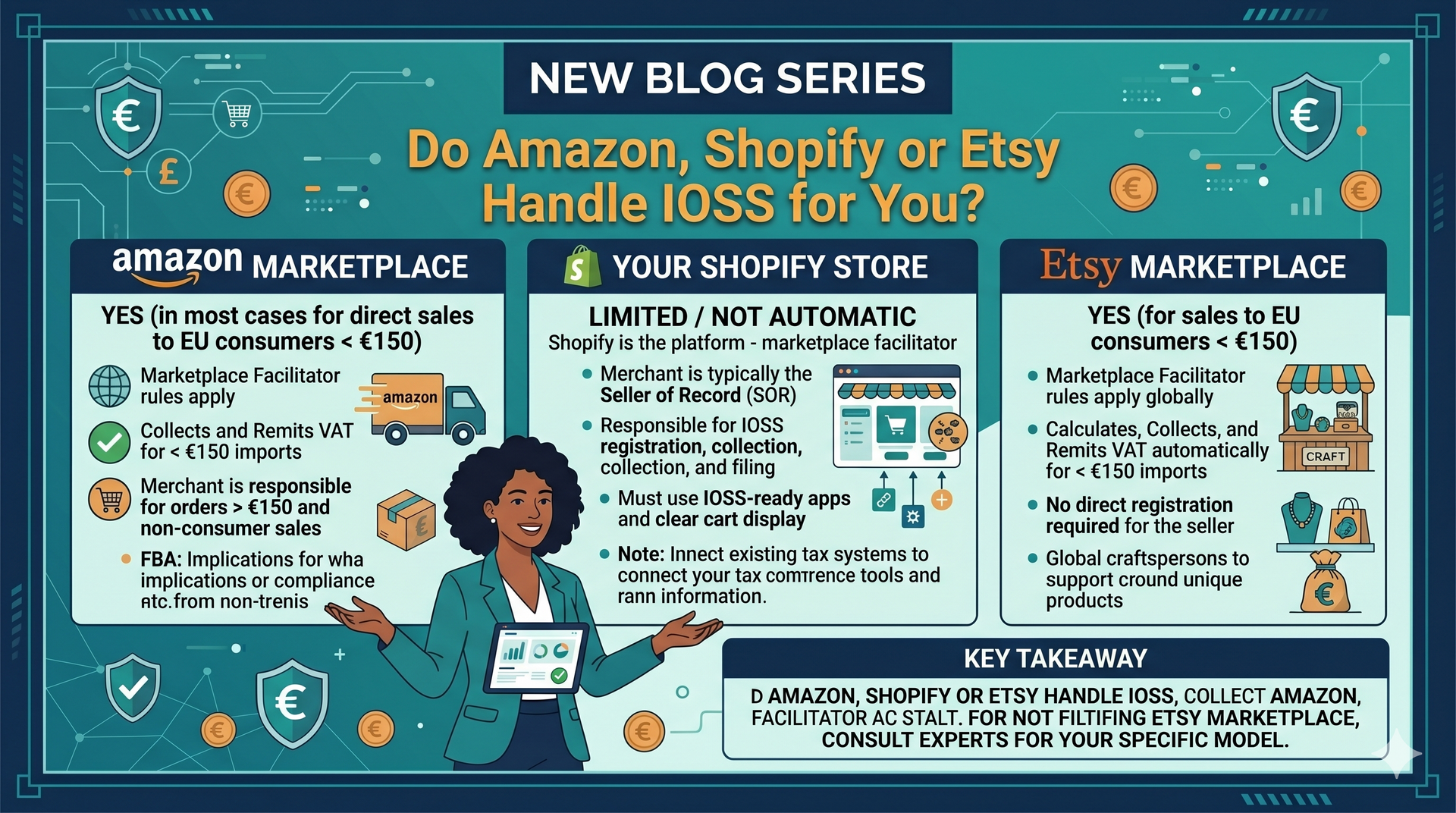
- You sell internationally through marketplaces
5. Inventory is More Than Just Stuff on a Shelf
Tracking your stock isn’t just for logistics — it affects your profits and tax returns.
Keep track of:
- Stock purchased
- Stock sold
- Remaining inventory at year-end
6. Digitise Your Receipts
Paper receipts are so last century. Keep digital copies of everything:
- Supplier invoices
- Shipping costs
- Marketing spend
- Software subscriptions
7. Ask for Help (Seriously, It’s Fine)
Not everyone needs a full-time accountant — but a little help can save a LOT of stress.
One-off services like:
- Year-end accounts
- Personal or business tax returns
…make life way easier for ecommerce sellers, and keep you compliant without a monthly fee.
Ready to Make Tax Less Stressful?
At File Tax Go, we help ecommerce sellers and content creators get their accounts done properly — even if it’s just one-off support.
Share
You might also like