How Content Creators Can Sell Merchandise Without Headaches
How Content Creators Can Sell Merchandise Without Headaches
Selling merch is one of the most exciting ways to turn your audience into a real business. Hoodies, mugs, digital downloads, exclusive drops — it’s all part of building your brand.
But behind the scenes? There’s payments, fees, taxes, and admin… and that’s where things can get messy.
The good news: it doesn’t have to be complicated. Here’s how to sell merchandise without the headaches.
1. Keep Your Income Streams Organised
As a content creator, your income probably isn’t just from merch. You might also have:
- Ad revenue (YouTube, TikTok, etc.)
- Sponsorships and brand deals
- Affiliate income
- Digital products or courses
Add merch into the mix, and things can quickly get confusing.
The key is to track each income stream clearly, so you know what’s coming from where — and what needs to be reported.
2. Know Your Real Profit (Not Just Sales)
It’s easy to get excited seeing sales roll in… but revenue isn’t profit.
Make sure you factor in:
- Production costs (printing, manufacturing)
- Platform fees (Shopify, Etsy, etc.)
- Payment processing fees
- Shipping and packaging
- Marketing and ad spend
Once you subtract all of that, you’ll see your true profit — which is what really matters.
3. Separate Business and Personal Finances
We know — it’s tempting to just run everything through your personal account.
But trust us, this gets messy fast.
A separate business account helps you:
- Track income and expenses easily
- Avoid confusion at tax time
- Look more professional as your brand grows
4. Stay on Top of Tax (Before It Sneaks Up on You)
Taxes are one of the biggest “uh oh” moments for creators.
Depending on your setup, you may need to:
- File a self-assessment tax return
- Pay income tax on profits
- Register for VAT (especially if you scale or sell internationally)
The earlier you understand your obligations, the easier it is to stay compliant — and avoid surprises.
5. Selling Across Platforms? Keep It Simple
Many creators sell merch across multiple platforms, like:
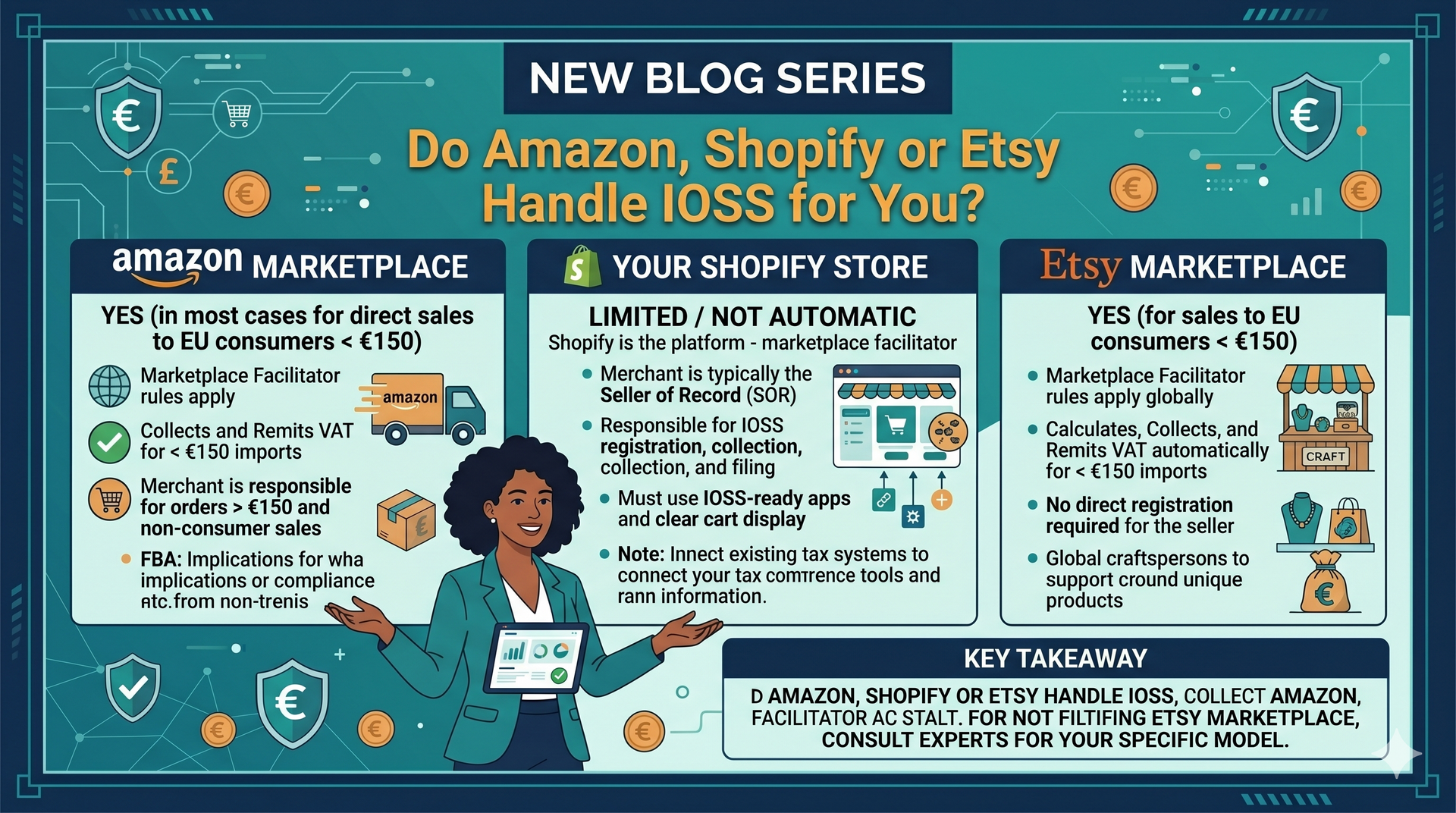
- Shopify
- Etsy
- TikTok Shop
- Amazon
This is great for sales… but tricky for tracking.
Try to centralise your data (or at least keep consistent records), so you’re not piecing everything together at year-end.
6. Keep Everything Digital
Receipts. Invoices. Shipping costs. Supplier bills.
Keep them all saved digitally — whether that’s in cloud storage or accounting software.
It’ll save you hours when it comes to:
- Preparing accounts
- Filing your tax return
- Answering any HMRC queries
7. Don’t Be Afraid to Get Help
You don’t need a full-time accountant to stay on top of things.
Many content creators prefer one-off support, like:
- Year-end accounts
- Personal tax returns
- VAT advice when scaling
It’s a simple way to stay compliant without committing to monthly fees — and without the stress.
Ready to Take the Stress Out of Merch Sales?
At File Tax Go, we help content creators and ecommerce sellers handle the numbers — whether that’s a one-off tax return or year-end accounts.
Simple, flexible, and no long-term commitment.
Get in touch to learn more.
Share
You might also like