IOSS Explained: Who Needs It and What to Do
IOSS Explained: Who Needs It and What to Do (Without the Headache)
If you run an ecommerce business selling into the EU, you’ve probably come across the term IOSS and had one of those moments where you think: “I’m sure this is important… I’ll look it up later.”
Well — this is your “later”, and the good news is it’s a lot less scary once it’s explained properly.
What Is IOSS?
IOSS stands for Import One Stop Shop.
It’s an EU VAT scheme designed to make life easier for ecommerce businesses selling low-value goods to EU customers.
Instead of VAT being handled at the border (and potentially causing delays or surprise charges), IOSS allows you to:
- Charge VAT at checkout
- Report EU VAT through one monthly return
- Avoid customers being hit with unexpected import fees
In short: it makes the buying experience smoother and reduces customs drama.
Who Actually Needs IOSS?
IOSS is mainly relevant if you:
- Sell goods online to EU consumers
- Ship products from outside the EU (e.g. from the UK)
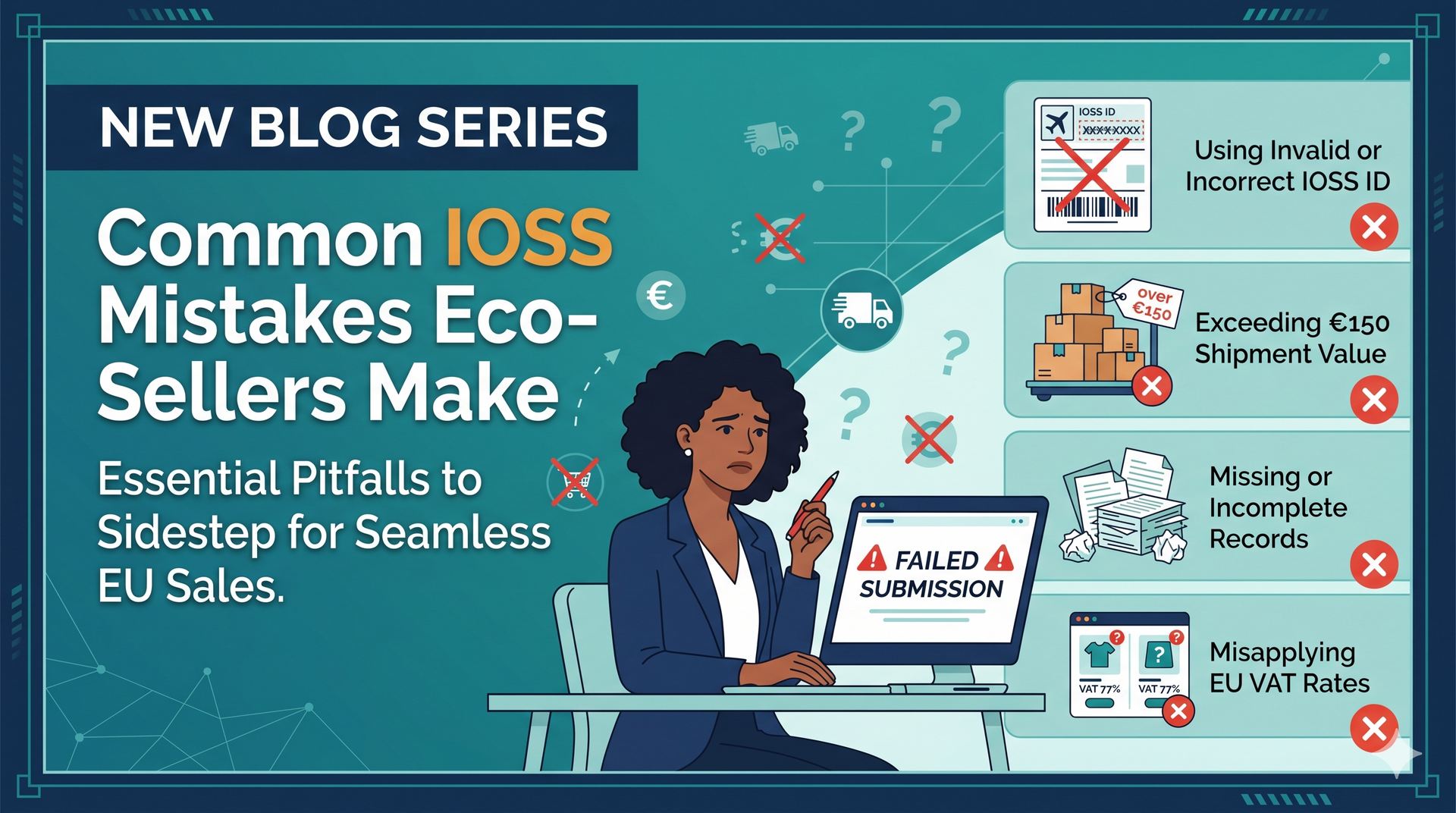
- Sell items valued at €150 or less per consignment
This typically includes:
- Shopify stores
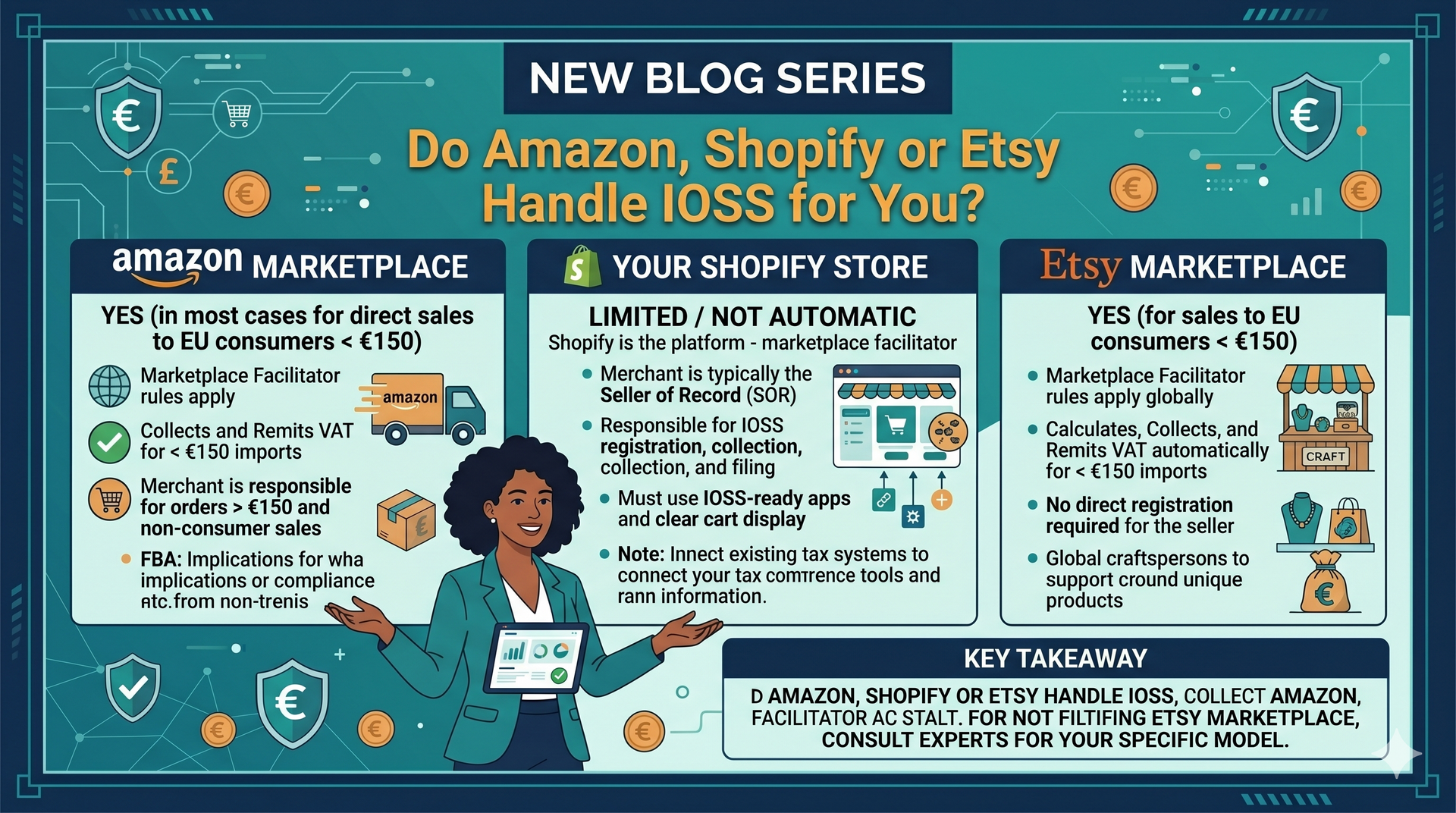
- Amazon and Etsy sellers
- Direct-to-consumer brands
- WooCommerce ecommerce sites
If you’re regularly shipping parcels from the UK into Europe, IOSS is definitely something worth understanding properly.
Why Does IOSS Exist?
Before IOSS, low-value imports into the EU could be inconsistent — sometimes VAT was collected, sometimes it wasn’t, and often customers were left paying fees on delivery.
The EU introduced IOSS to:
- Standardise VAT collection across countries
- Reduce customs delays
- Prevent customers getting surprise charges
Because nothing kills an online order faster than a courier asking for extra money at the door.
What Are the Benefits?
When set up correctly, IOSS can genuinely improve both compliance and customer experience:
✔️ Clear pricing for customers
VAT is included at checkout, so no surprises later.
✔️ Smoother customs process
Properly declared parcels tend to move through customs more efficiently.
✔️ Simpler VAT reporting
One monthly return instead of multiple EU registrations (in many cases).
✔️ Fewer abandoned baskets
Customers are more likely to complete purchases when costs are transparent.
Do All Ecommerce Businesses Need It?
Not necessarily.
You may not need IOSS if:
- Your stock is already held within the EU
- You sell mainly B2B rather than B2C
- Your marketplace already handles VAT for you
- Your goods are usually above €150 per order
This is where things can get a bit nuanced — and where businesses often assume they’re covered when they’re not.
Do You Need an EU Intermediary?
In many cases, yes.
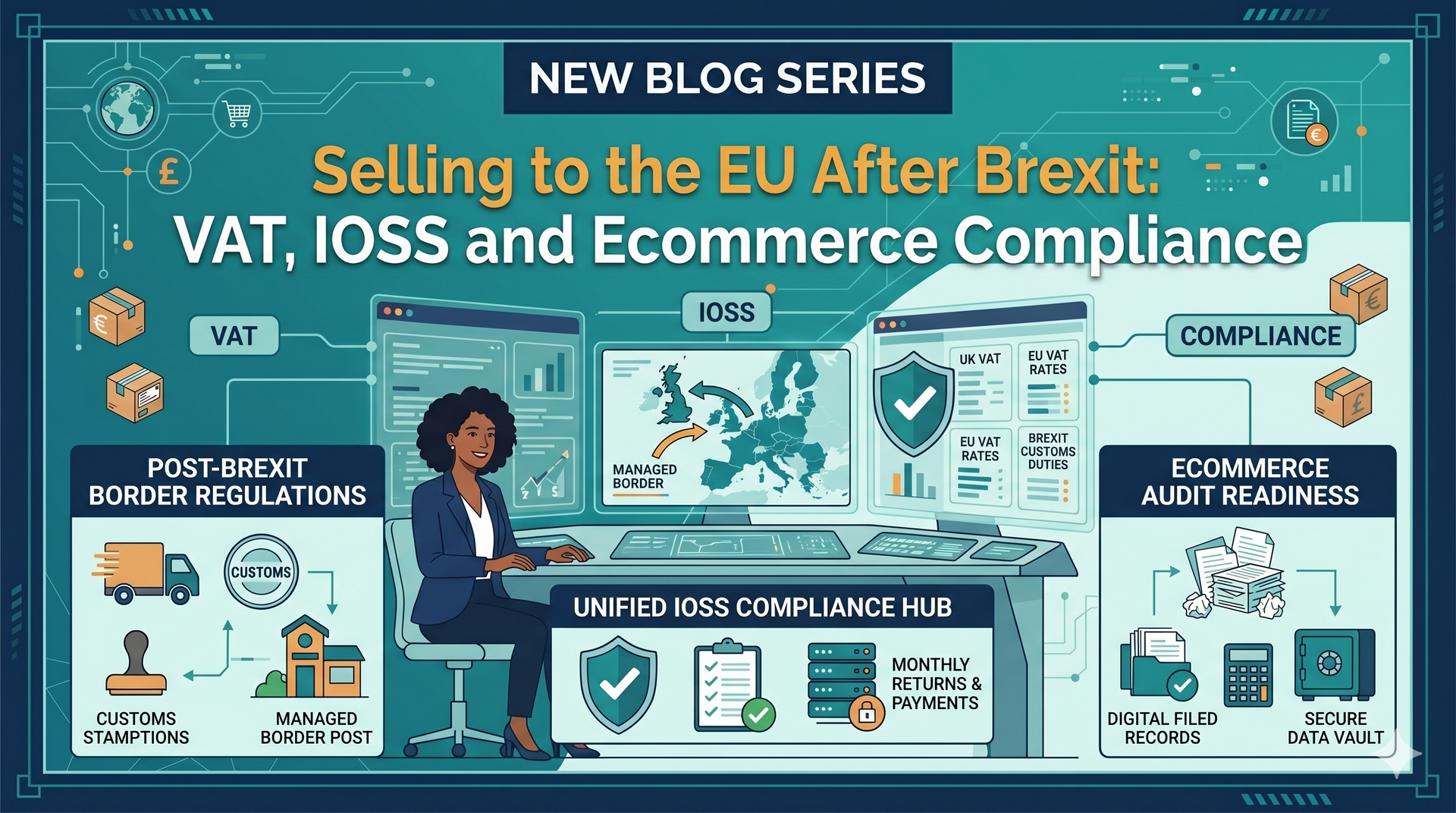
Because the UK is no longer part of the EU VAT system, UK businesses often need an EU-based intermediary to access IOSS.
They typically help with:
- Registration
- VAT submissions
- Ongoing compliance
Think of them as your EU VAT “translator” — helping everything run smoothly behind the scenes.
What Should Ecommerce Businesses Do Now?
If you sell into the EU, it’s worth reviewing:
- Whether your products fall under the €150 threshold
- Where your stock is stored
- Whether marketplaces are handling VAT correctly
- How your checkout is set up for EU customers
A quick check now can save a lot of confusion (and customer complaints) later.
How File Tax Go Can Help
At File Tax Go, we help ecommerce businesses cut through the complexity of international VAT rules.
We can support you with:
- Understanding whether IOSS applies
- Reviewing your ecommerce VAT setup
- Identifying compliance risks
- Getting you properly set up for EU sales
Because VAT shouldn’t require a translator
and a headache tablet.
Share
You might also like