
Year End Accounts Deadline
November 27, 2019
Year End Accounts: Don't get caught out by the deadlines!
Every year all Limited Companies, even dormant ones, are required to submit Annual Accounts.
Late submission of these Accounts will result in an automatic fine, and a substantial one too! So when do you need to file your Accounts?
The main company deadlines are as follows:
Company Accounts: To be filed 9 months following the Company's Year End date to Companies House.
Corporation Tax: Payable 9 months and 1 day following the Company's Year End to HMRC. Note in this is your first Year End you may have two amounts payable with different due dates.
Corporation Tax Return: To be filed 12 months following the Company's Year End.
If you fail to meet your Accounts deadline with Companies House, the fines are as follows:
| Time after the deadline | Penalty (for private limited companies) |
|---|---|
| Up to 1 month | £150 |
| 1 to 3 months | £375 |
| 3 to 6 months | £750 |
| More than 6 months | £1,500 |
There are then separate deadlines for your Corporation Tax Return:
| 1 day | £100 |
|---|---|
| 3 months | Another £100 |
| 6 months | HM Revenue and Customs (HMRC) will estimate your Corporation Tax bill and add a penalty of 10% the unpaid tax |
| 12 months | Another 10% of any unpaid tax |
It’s not all bad though folks – if you’re able to submit your return and payment early, HMRC should pay you a little bit of interest so it’s definitely worth getting ahead of your deadlines.
Get in touch to see how we can help you get on top of your company Accounts.
Share
You might also like
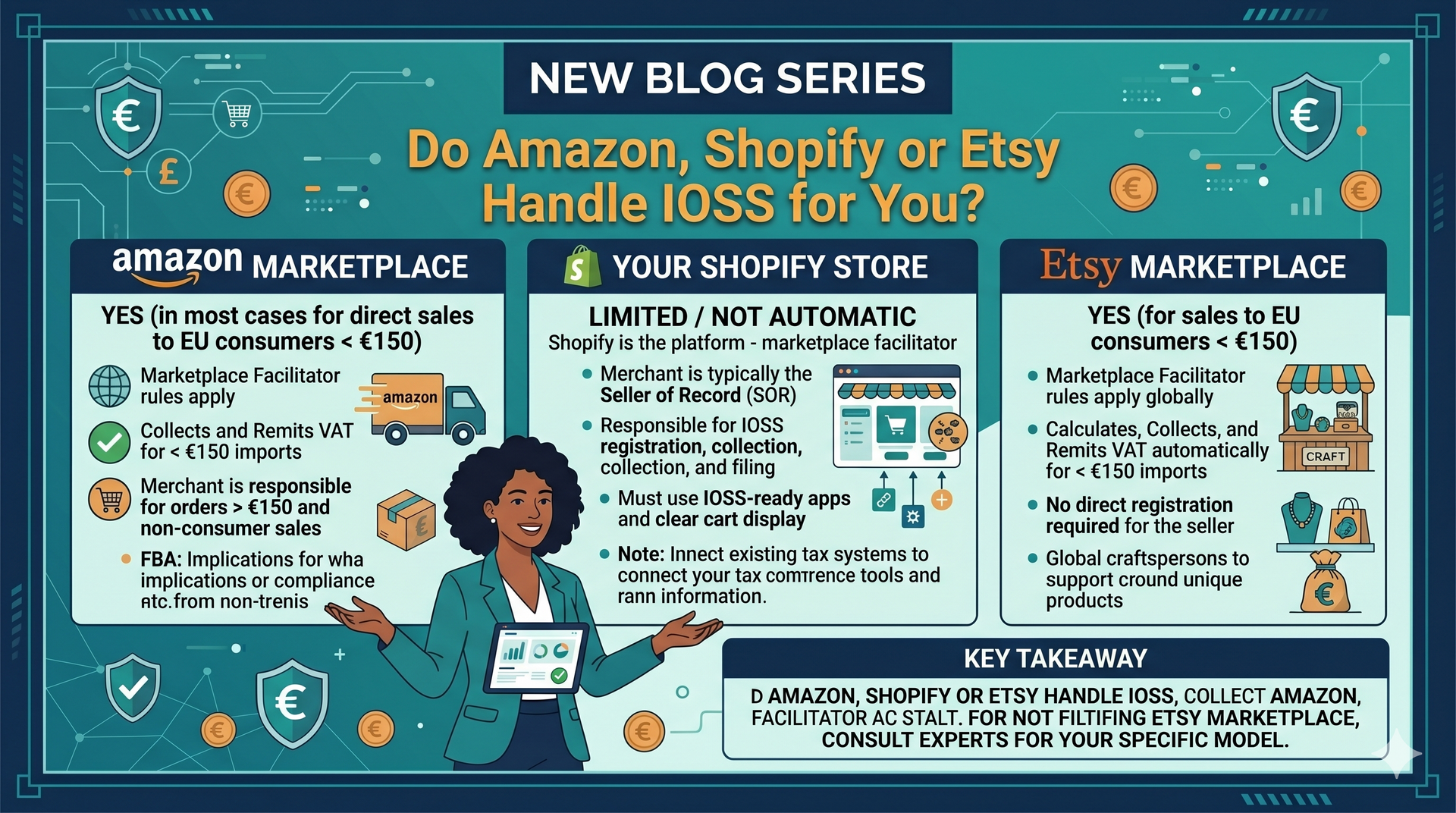
Certain online marketplaces are classed as a “deemed supplier” under EU VAT rules.
This means the platform may collect and pay VAT on specific transactions.

Selling products into the EU used to feel relatively straightforward for UK ecommerce businesses.
Then Brexit arrived… and suddenly words like customs declarations, import VAT and IOSS became part of everyday business life.
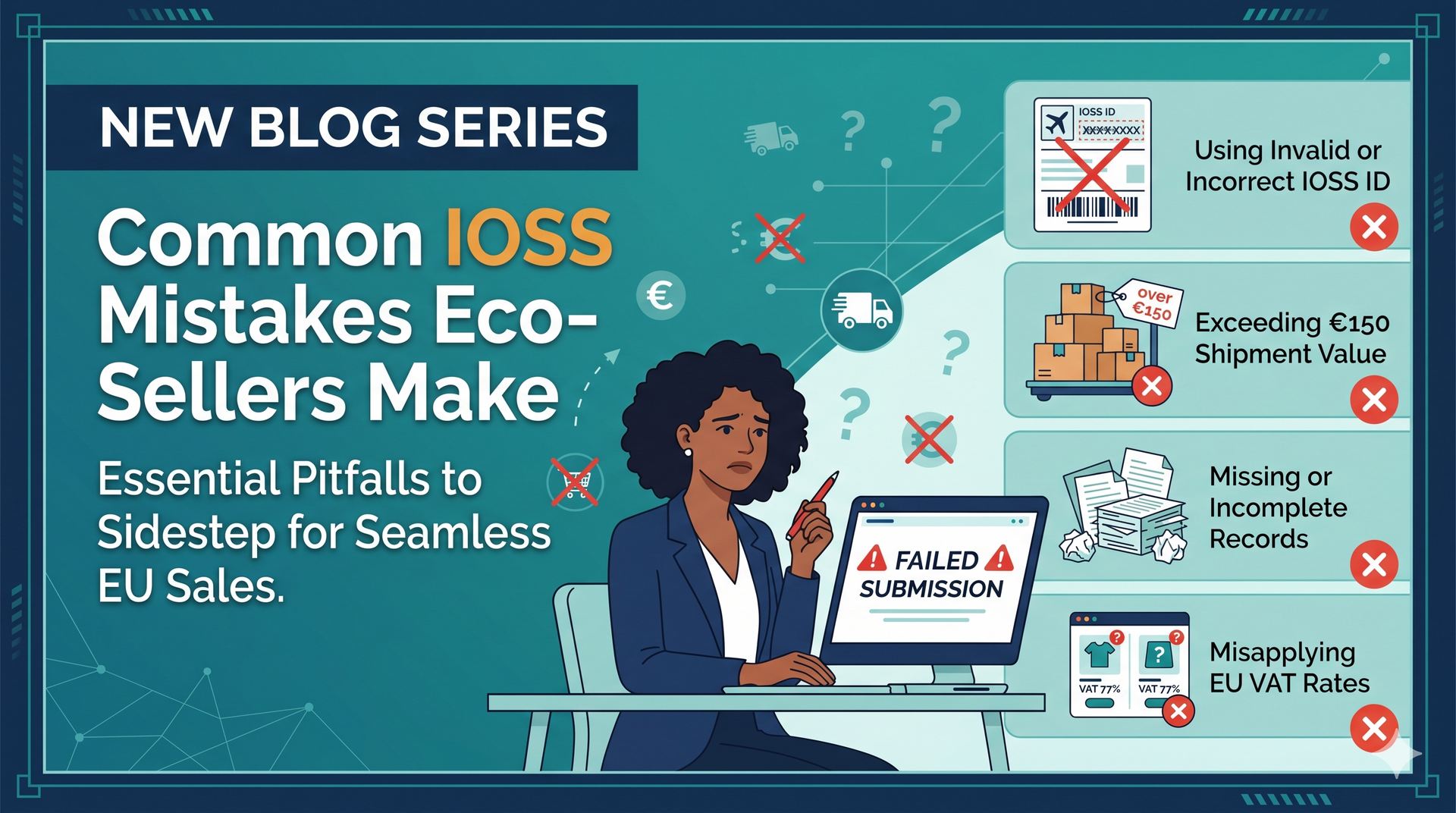
When ecommerce businesses first hear about IOSS, the reaction is usually one of two things:
“Great, this sounds straightforward.”
“Wait… what?”