
Do I need to complete a Self-Assessment Tax Return?
August 30, 2019
A Self-Assessment Tax Return is a summary of your personal income which HMRC use to access your tax liability.
Most individuals pay tax at source and are not required to file a return, however, you will need to complete a return if one or more of the following apply:
- You are Self Employed and earn more than £1,000
- You are a partner in a Partnership business
- You receive more than £1,000 in gross rental income
- You are a company director and earn income that is not taxed under PAYE
- You have annual income of £100,000 or more
- You or your partner receive child benefit and one of you has a total income in excess of £50,000
- You receive untaxed income such as:
- Savings
- Investments
- Dividends
- You receive foreign income
In the UK the tax year runs from 6th April to the following 5th April. Should you be required to complete a return, you will have:
- until 31 October to do so, if you choose to submit a paper tax return;
- or until the following 31 January if you file online.
If you need assistance filing your tax return, get in touch with the Tax File ‘n’ Go team today!
Share
You might also like
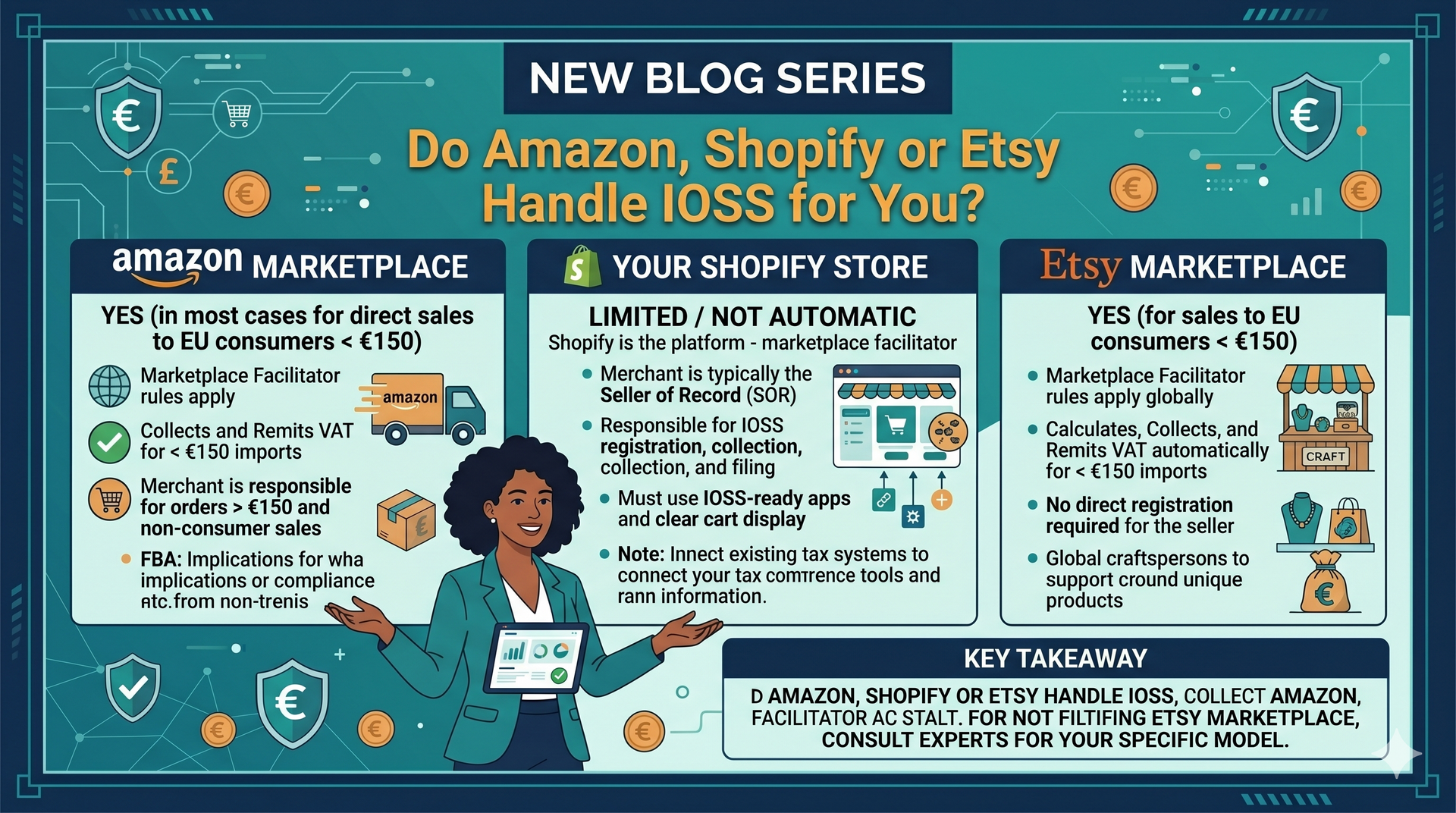
Certain online marketplaces are classed as a “deemed supplier” under EU VAT rules.
This means the platform may collect and pay VAT on specific transactions.
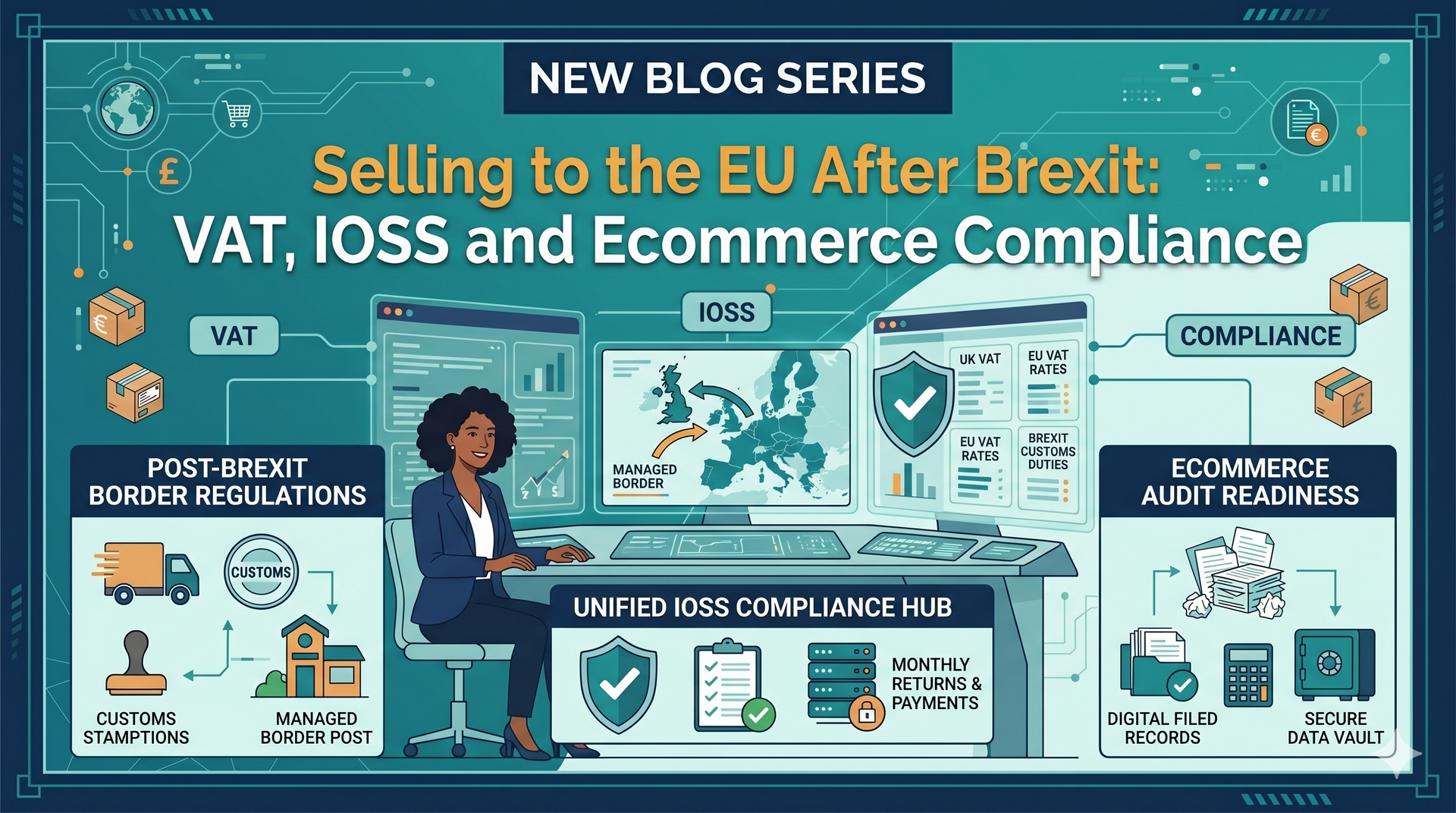
Selling products into the EU used to feel relatively straightforward for UK ecommerce businesses.
Then Brexit arrived… and suddenly words like customs declarations, import VAT and IOSS became part of everyday business life.
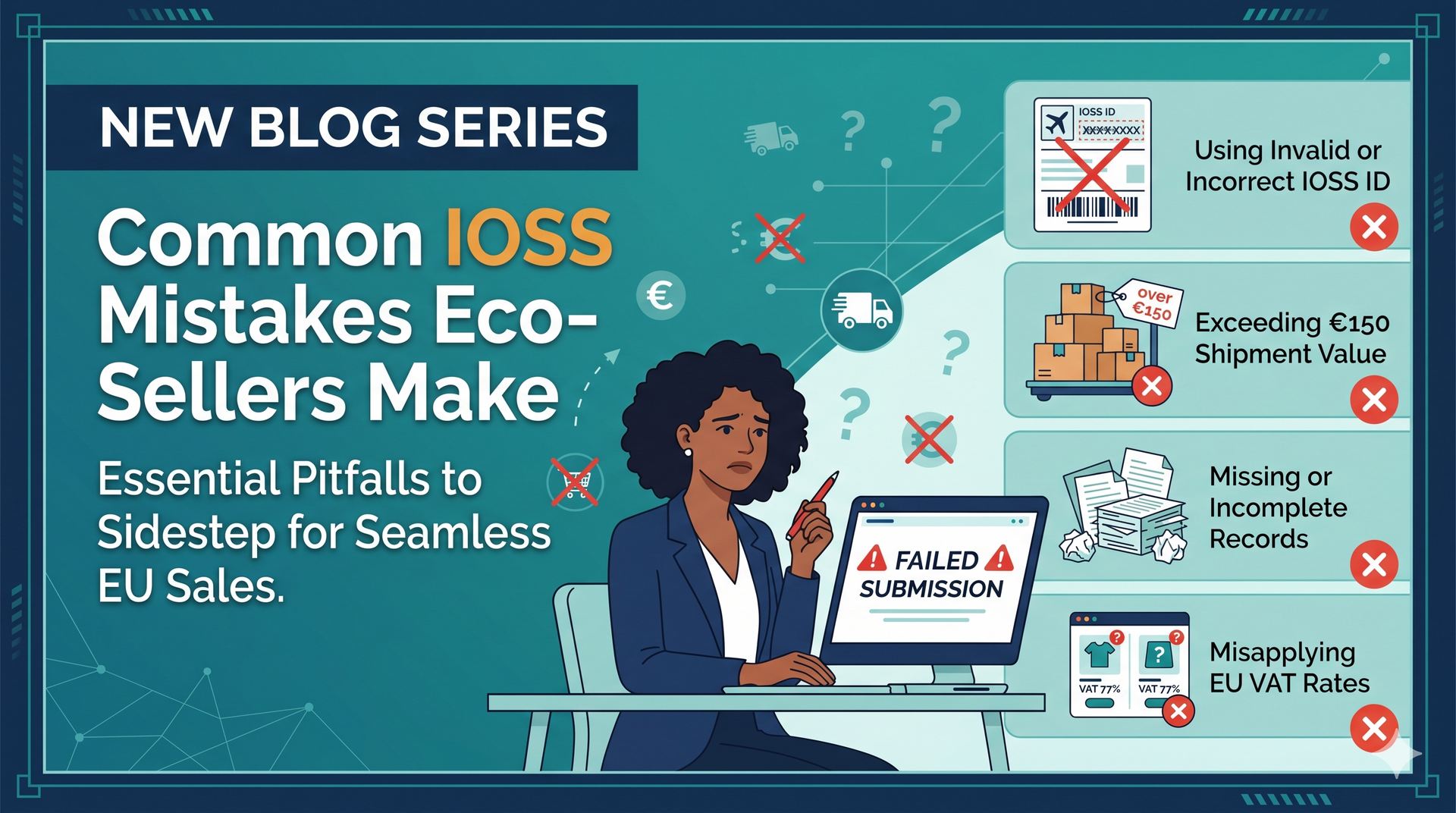
When ecommerce businesses first hear about IOSS, the reaction is usually one of two things:
“Great, this sounds straightforward.”
“Wait… what?”